Safe Backup Power Starts With Proper Planning, Wiring, and Code-Compliant Setup
An electrician makes generator installation safe by planning the load, setting up the right wiring and transfer switch, following local codes, and testing the system before use. The goal is simple: your home gets backup power without risking fire, shock, or damage to appliances. A trained pro handles fuel connections, grounding, and panel work so the system runs safely during an outage.
Quick Answer: What Makes It Safe?
Safe generator installation depends on four main things: correct sizing, proper electrical connections, safe fuel setup, and full system testing. An electrician checks your home’s power needs first. Then they install a transfer switch to keep utility power and generator power separate. This prevents backfeeding, which can harm utility workers and damage your wiring. Every step follows local building and safety codes.
What You Need Before Starting
Before any work begins, a few items must be in place. This helps avoid delays and safety risks.
- A generator sized for your home’s power needs
- A transfer switch or interlock kit approved for your panel
- Fuel source, such as natural gas or propane
- A safe outdoor location with solid, level ground
- Permits required by your city or county
An electrician also reviews your existing electrical services setup. This includes your main panel, grounding system, and service capacity. If your panel is outdated, upgrades may be needed before the generator can be connected.
Step-by-Step: How an Electrician Installs It
- Load calculation: The electrician adds up the wattage of key appliances like the fridge, HVAC system, lights, and medical equipment.
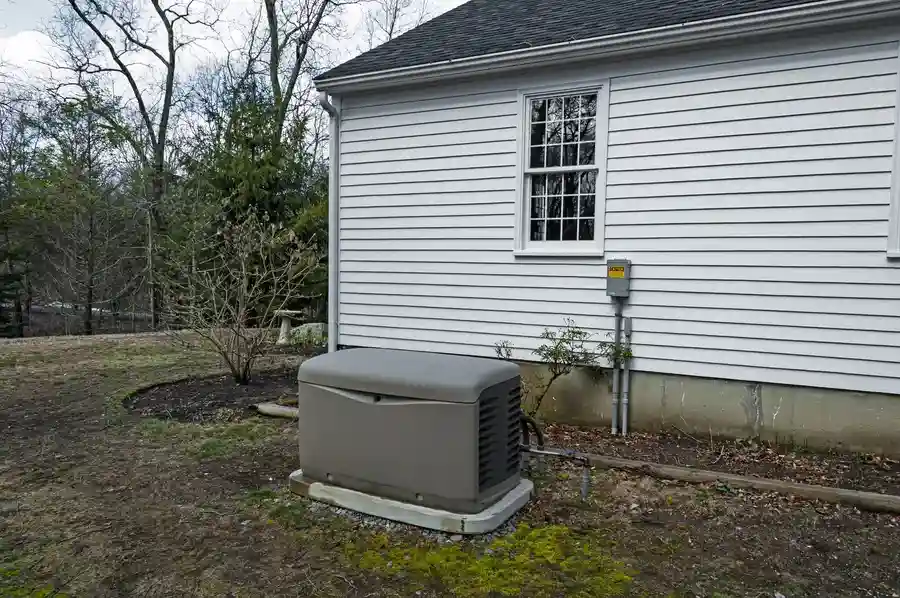
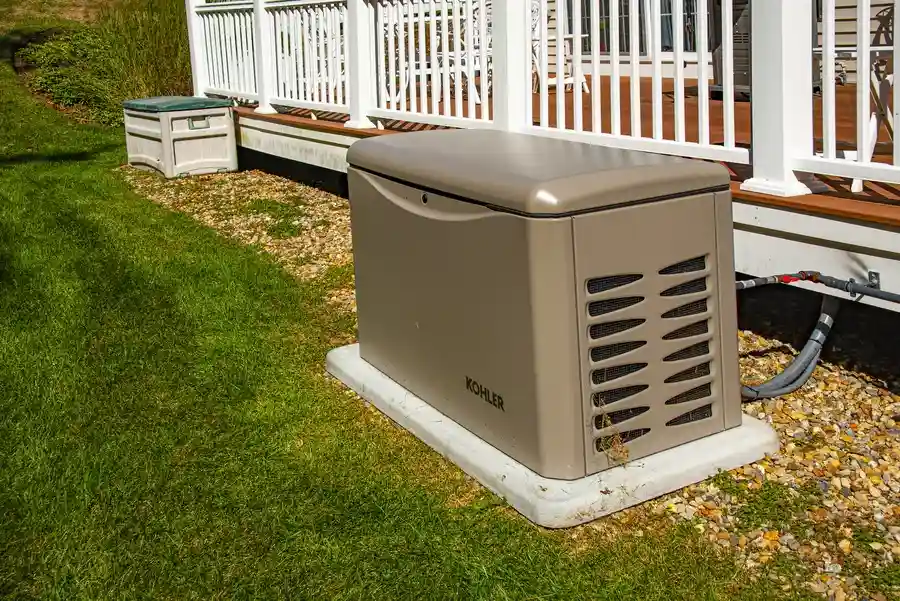
- Site selection: The generator is placed outdoors, away from doors and windows to prevent carbon monoxide risks.
- Transfer switch installation: This device connects to your main panel and allows safe switching between utility and generator power.
- Wiring connections: Heavy-duty wiring runs from the generator to the transfer switch. All connections are tight and protected.
- Fuel connection: Gas lines are installed or connected according to code if the unit uses natural gas or propane.
- Grounding and bonding: The system is properly grounded to reduce shock risk.
- Testing: The electrician runs the system under load to confirm it works as planned.
Each step matters. Skipping even one can lead to unsafe conditions during a power outage.
Common Mistakes to Avoid
Many safety problems happen when homeowners try to cut corners. Here are mistakes an electrician helps you avoid:
- Plugging a generator directly into a wall outlet
- Placing the unit too close to the house
- Using extension cords instead of a transfer switch
- Overloading the generator
- Ignoring permit and inspection rules
Backfeeding through a dryer outlet is one of the most dangerous errors. It can send live power into utility lines outside your home. This puts repair crews at risk and can lead to fines or serious injury.
When to Call a Professional
Generator installation is not a basic DIY project. If the work involves your main breaker panel, gas lines, or permanent wiring, a licensed electrician should handle it. Even small mistakes in wiring can cause fires weeks or months later.
You should also call a professional if:
- Your lights dim or flicker when large appliances start
- Your electrical panel feels warm or smells like burning plastic
- You plan to install a whole-house standby generator
- You are unsure about code rules in your area
A trained electrician knows how to meet inspection standards and will arrange required permits. This protects your home value and keeps your insurance coverage valid.
Why Code Compliance and Testing Matter
Local electrical codes are designed to reduce fire and shock risks. An electrician stays current with these rules. After installation, the full system is tested. The generator is started, circuits are switched over, and voltage levels are checked.
Testing confirms that sensitive electronics like TVs and computers receive steady power. It also confirms that large systems like air conditioners start without strain. If adjustments are needed, they are made before the job is complete.
Safe Backup Power Starts With the Right Team
At Alan Forrest Electric, we provide generator installation services throughout King, NC with safety as our top priority. We handle permits, panel connections, fuel setup, and full system testing so your home is ready when outages happen. If you are planning a new system or upgrading an old one, call us at (336) 715-5016 to schedule a consultation. We are here to help you power your home safely and reliably.