Simple Ways to Spot Hidden Wiring Problems Before They Get Worse
You can detect wiring issues early by paying attention to warning signs like flickering lights, tripped breakers, warm outlets, and unusual smells. Using basic electrical troubleshooting steps helps you find small problems before they turn into fire hazards or costly repairs. Acting early keeps your home safer and your electrical system running smoothly.
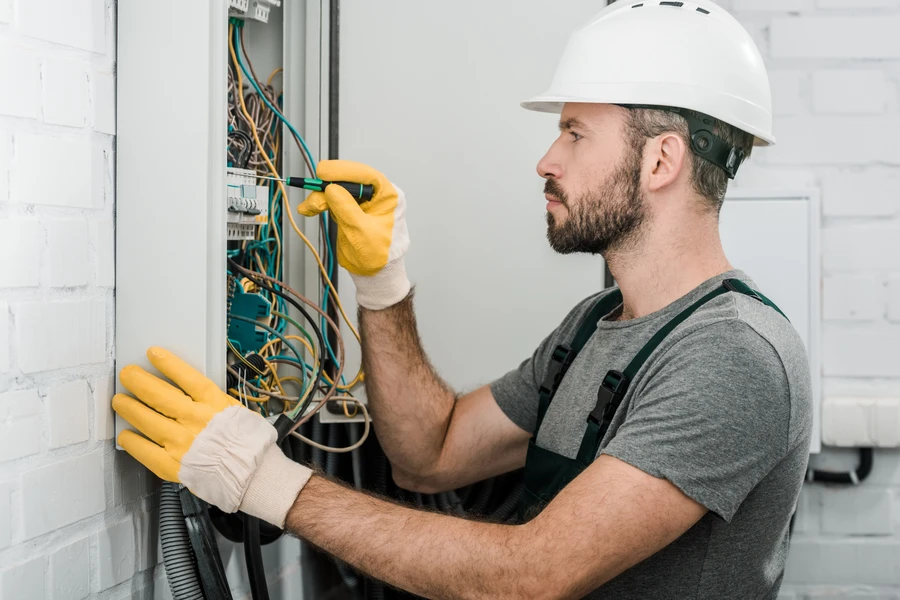
What You Need Before You Start
Before you begin any electrical troubleshooting, gather a few basic tools and follow simple safety steps.
- A flashlight
- A non-contact voltage tester
- A screwdriver set
- Pen and paper to track issues
- Access to your breaker panel
Always turn off power at the breaker before touching wires or outlets. If you are unsure about anything, stop right there. Electrical systems can be dangerous if handled the wrong way.
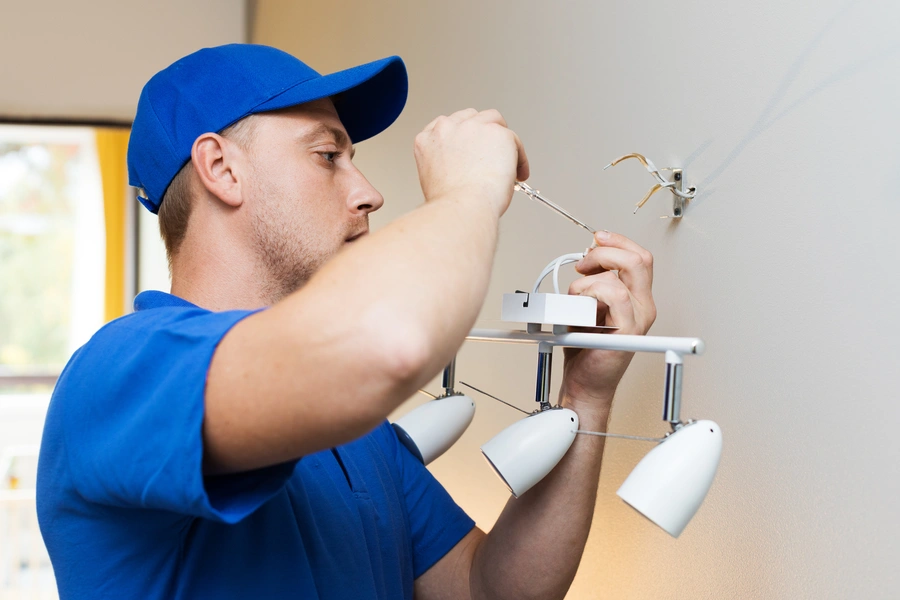
Step-by-Step Process to Detect Wiring Issues
Follow these steps to check for early signs of wiring trouble in your home.
- Look for visual warning signs. Check outlets and switches for discoloration, cracks, or burn marks. Inspect cords for fraying or exposed wires.
- Notice flickering or dimming lights. If lights change brightness when appliances turn on, you may have loose wiring or overloaded circuits.
- Check for warm outlets or switch plates. Lightly touch the surface. Warmth can signal poor wiring connections.
- Listen for buzzing sounds. A steady buzz from outlets, switches, or the breaker panel can point to loose connections.
- Smell for burning odors. A sharp or burning smell near outlets is a serious warning sign.
- Monitor frequently tripped breakers. If a breaker trips often, the circuit may be overloaded or have damaged wiring.
Write down what you find. Patterns help identify where the issue may be located.
Common Mistakes to Avoid
Many homeowners make small mistakes that can hide a bigger wiring problem.
- Ignoring a breaker that trips more than once
- Replacing a breaker without checking the cause
- Using extension cords as a long-term fix
- Installing higher wattage bulbs than fixtures allow
- Covering warm outlets with rugs or furniture
These quick fixes may seem helpful, but they can increase fire risk. Electrical troubleshooting is about finding the root cause, not masking the symptoms.
When to Call a Professional
Some wiring problems go beyond basic home checks. Call an expert if you notice:
- A burning smell that does not go away
- Blackened or melted outlets
- Sparks when plugging something in
- Shock or tingling when touching appliances
- Multiple circuits failing at once
These signs may point to damaged wiring inside walls. That type of repair falls under electrical repair services that require licensed training and proper tools. A professional can test circuits, inspect panels, and safely replace damaged wires.
Final Recommendation and Next Steps
Early detection makes a big difference. Small issues like loose connections can grow into serious hazards if ignored. Regular electrical troubleshooting once or twice a year helps you stay ahead of problems. If you live in an older home, built more than 25 years ago, checks are even more important since wiring may be aging or outdated.
Pay attention to changes in how your electrical system behaves. Lights should stay steady. Outlets should stay cool. Breakers should not trip without reason. When something feels off, it usually is.
Get Expert Help If You Notice Warning Signs
If you are seeing early signs of wiring trouble in your home in King, NC, do not wait for it to become a larger issue. Our team at Alan Forrest Electric handles safe and thorough electrical troubleshooting and repairs every day. We use professional tools to find hidden wiring faults and fix them the right way. Call us at (336) 715-5016 to schedule an inspection and let us help keep your home safe.