How Expert Setup Helps Keep Your Lights on During Storms and Grid Failures
Preventing power outages often starts with having the right backup system installed the right way. Professional setup helps your generator turn on quickly, power the right circuits, and run safely during storms or grid failures. In places like King, NC, where bad weather and aging power lines can cause blackouts, proper installation makes a big difference in keeping your home running.
Why Prevention Matters
Power outages are more than an inconvenience. Food can spoil. Sump pumps stop working. Medical devices lose power. Heating and cooling systems shut down. A portable generator might help for a short time, but it cannot power your whole home safely without the right connections.
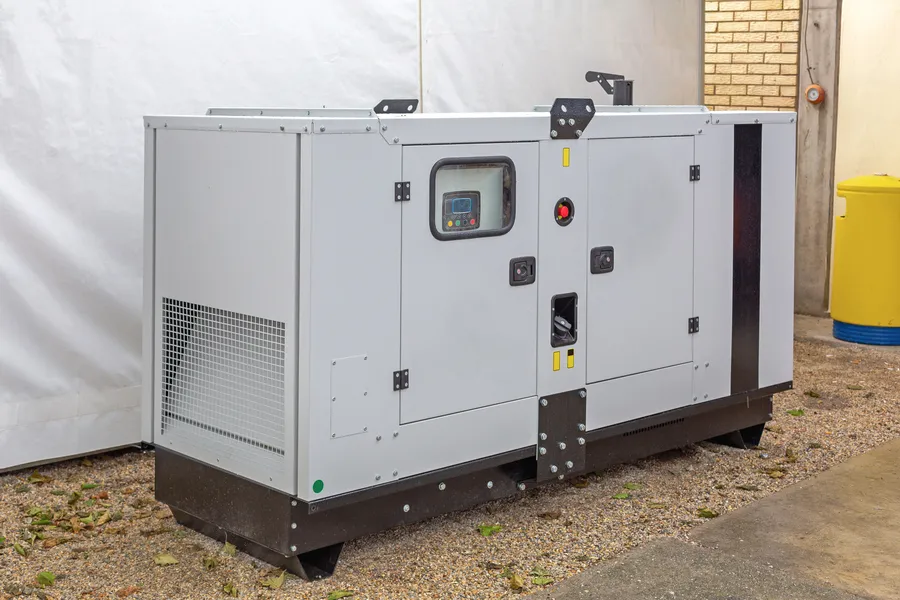
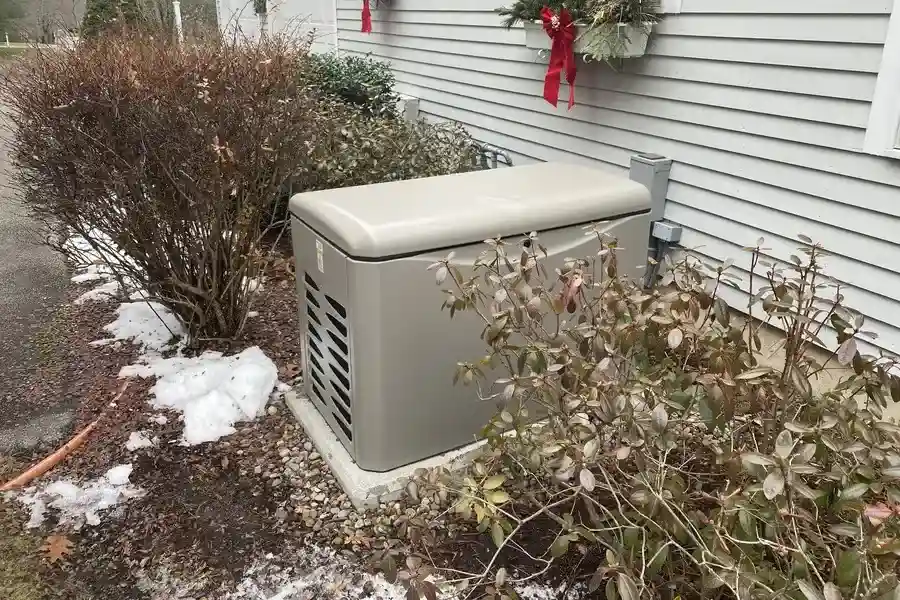
Generator installation done by a trained team helps prevent these problems. A standby generator connects directly to your home’s electrical panel. It can turn on within seconds of a power loss. That quick response keeps your lights, fridge, and other key systems running without delay.
Early Warning Signs Your Home Is at Risk
Many homeowners wait until after a blackout to think about backup power. But there are signs that your home may be at higher risk:
- Frequent flickering lights during storms
- Old overhead power lines near trees
- A breaker panel that is over 25 years old
- Living in an area with regular utility repairs
- Relying on medical or safety devices that need power
If you notice one or more of these signs, it may be time to think about a professional solution instead of waiting for the next outage.
Seasonal and Routine Prevention Checklist
Staying ahead of power problems takes planning. Here is a simple checklist to follow each year:
- Schedule an inspection of your electrical panel.
- Check outdoor outlets and wiring for storm damage.
- Trim tree branches near power lines.
- Test your existing backup generator, if you have one.
- Review your home’s power needs before storm season.
If you are planning Generator Installation, this is also a good time to review permits and local building codes. A professional will handle these details as part of the service category keyword and electrical work required for a safe setup.
Best Practices for Long-Term Results
A generator is only as good as its installation. Proper sizing is key. A unit that is too small will overload and shut down. A unit that is too large may waste fuel and cost more than needed.
Fuel type matters too. Some homes use natural gas, while others rely on propane. A licensed installer will check your fuel supply, your electrical load, and your transfer switch. The transfer switch is what keeps power from flowing back into utility lines. This protects both your home and line workers.
Routine maintenance also plays a role. Oil changes, battery checks, and system tests help your backup system work when you need it most. Many homeowners set a reminder every six months for a quick inspection.
What Not to Do
Trying to connect a portable generator directly to your breaker panel without a transfer switch is dangerous. It can cause backfeeding. This puts utility crews and neighbors at risk.
Do not store fuel indoors. Do not run a generator inside a garage, even with the door open. Carbon monoxide builds up fast and can be deadly.
Another common mistake is choosing the cheapest option without thinking about long-term needs. Professional generator installation may cost more upfront, but it reduces the chance of wiring issues, fire hazards, or system failure later.
When to Schedule Professional Help
You should plan for Generator Installation before the next major storm warning. Spring and early summer are popular times because hurricane and storm seasons often follow. If your home loses power more than once a year, that is a strong sign to act now.
A professional will:
- Evaluate your home’s power usage
- Recommend the right generator size
- Install a transfer switch
- Handle permits and inspections
- Test the system after setup
This full-service approach helps prevent surprise failures when the grid goes down.
Protect Your Home With the Right Backup Plan
Preventing power outages starts with planning ahead and choosing expert help. In King, NC, power loss can happen without warning, especially during storms and heat waves. At Alan Forrest Electric, we install reliable backup systems that keep homes safe and comfortable. We focus on safe wiring, proper sizing, and long-term performance. Call us at (336) 715-5016 to schedule a consultation and let us help you prepare before the next outage hits.