What Happens During a Professional Check of Your Home’s Wiring and Panels
An electrical inspection is a detailed check of your home’s wiring, outlets, panel, and safety devices. It looks for damage, code issues, and fire risks. The goal is to confirm your system works safely and can handle your power needs. Whether you are buying a home, remodeling, or dealing with flickering lights, knowing the steps helps you feel prepared.
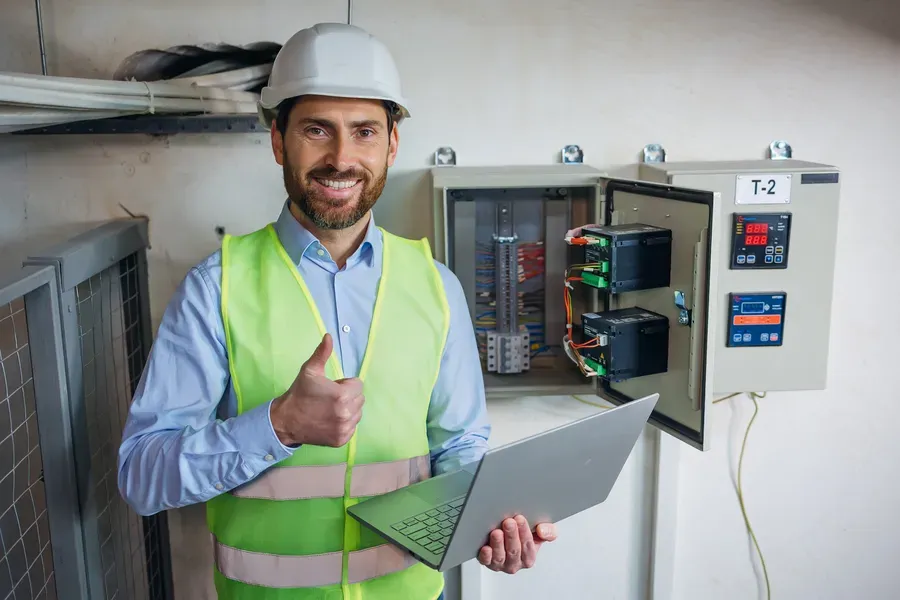
What You Need Before the Inspection Starts
Before the electrical inspection begins, a few simple things help the process go smoothly. The inspector will need clear access to key areas of your home. This includes the electrical panel, outlets, attic spaces, and basement if you have one. Pets should be secured, and any stored items blocking panels or outlets should be moved aside.
If you have had recent electrical service work done, keep any records or permits handy. These documents help show what upgrades or repairs were completed. It also helps to make a short list of problems you have noticed, such as breakers that trip often or outlets that feel warm.
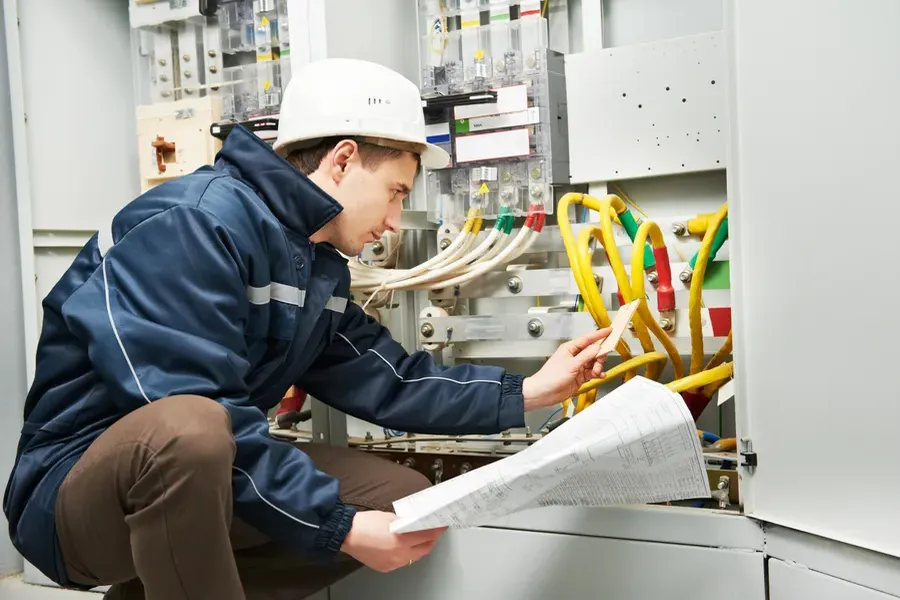
Step-by-Step Process of an Electrical Inspection
Most electrical inspections follow a clear and simple order. Here is what typically happens:
- Panel check: The inspector opens the electrical panel to check breakers, wiring connections, and labeling. They look for rust, loose wires, or overcrowded circuits.
- Wiring review: Visible wiring in basements, attics, or crawl spaces is checked for damage, wear, or unsafe installations.
- Outlet and switch testing: Outlets and light switches are tested for proper wiring and grounding. GFCI and AFCI outlets are also tested where required.
- Fixture inspection: Light fixtures and ceiling fans are checked for safe mounting and correct wiring.
- Safety device review: Smoke detectors and carbon monoxide alarms are often reviewed for correct placement and power source.
- Code compliance check: The system is compared to current safety standards to spot outdated or unsafe parts
After these steps, the inspector usually provides a report. This report lists any hazards, minor repairs, or recommended upgrades.
Common Mistakes Homeowners Make
Some homeowners try to fix issues before the electrical inspection without proper knowledge. This can hide problems or make them worse. For example, replacing a breaker with a larger one to stop trips can overload wires and cause a fire risk.
Another mistake is ignoring small warning signs. Flickering lights, buzzing sounds, or warm outlets may seem minor. In many cases, they point to deeper wiring problems. Covering them up with new faceplates or extension cords does not solve the issue.
Blocking access to the electrical panel is also common. Inspectors need at least three feet of clear space in front of the panel. If they cannot reach it safely, the inspection may be delayed.
When to Call a Professional
Some situations call for more than a basic visual check. If your home is over 30 years old and has not had an updated inspection, it is smart to schedule one. Older homes may have outdated panels or aluminum wiring that no longer meets safety standards.
You should also call a professional if you notice:
- Breakers that trip often
- Burning smells near outlets
- Sparks when plugging in devices
- Lights that dim when appliances start
Buying or selling a home is another key time for an electrical inspection. It gives buyers peace of mind and helps sellers fix issues before they become deal breakers.
Schedule a Professional Evaluation for Peace of Mind
If you live in King, NC and want a clear picture of your system’s safety, our team is ready to help. At Alan Forrest Electric, we perform detailed checks and explain our findings in simple terms so you can make smart decisions about your home. Call us at (336) 715-5016 to book your inspection or ask questions about your electrical service needs.